
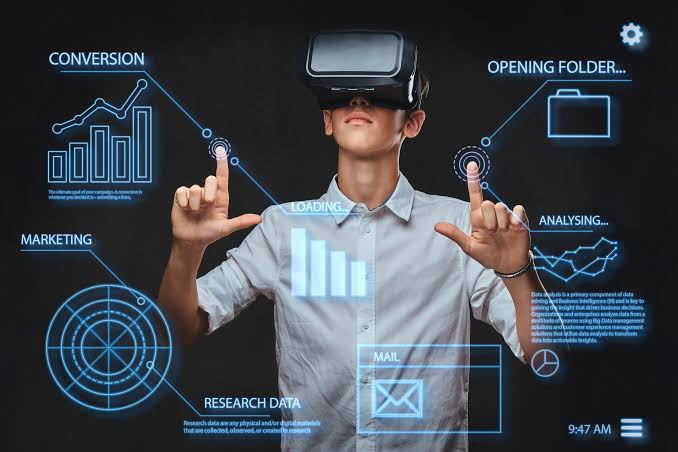
Introduction
Digital marketing is no longer an optional growth strategy—it has become the core of modern business success. In the coming years, brands that fail to build a strong digital presence will struggle to compete, regardless of how good their products or services are. The future of marketing is deeply connected to technology, data, and customer experience. Businesses that understand this shift early and adapt strategically will lead their industries, while others will find it difficult to maintain visibility.
Table of Contents
1. Hyper-Personalized Marketing and the Role of AI
2. The Evolution of Search Engines
3. The Rise of Community-Driven Social Media
4. Automation with a Human Touch
5. Future Challenges in the Digital Space
6. Creating a Strong Digital Foundation
7. Measurable Marketing and Continuous Improvement
8. Digital Marketing as a Long-Term Investment
9. Conclusion
1.Hyper-Personalized Marketing and the Role of AI
One of the most significant developments in the future of digital marketing is hyper-personalization. Customers no longer respond to generic messaging; they expect brands to understand their:
• Interests
• Online behavior
• Purchase patterns
• Preferences
Artificial intelligence will play a major role in analyzing customer data and delivering highly targeted campaigns. This allows businesses to send the right message to the right audience at the right time.
However, with increased personalization comes increased responsibility. Trust will become just as important as technology. Brands must:
• Protect customer data
• Be transparent about data usage
• Maintain ethical marketing practices
The businesses that balance personalization with privacy will build stronger and longer-lasting customer relationships.
2.The Evolution of Search Engines
Search engines are rapidly evolving with the integration of AI and voice search. This shift is changing the way content is created and optimized.
Future-focused SEO will require:
• Conversational and natural language content
• Problem-solving blog topics
• User-focused website structure
• Topic authority instead of keyword repetition
Keyword stuffing is no longer effective. Search engines now prioritize content that genuinely helps users. Websites that provide clear, valuable, and relevant information will dominate search rankings.
3.The Rise of Community-Driven Social Media
Social media is moving away from brand-centric communication toward community-driven engagement. People trust real experiences more than direct advertisements.
In the future, high-performing content will include:
• User-generated content
• Customer testimonials
• Interactive posts and polls
• Behind-the-scenes brand stories
This shift highlights an important truth: people connect with people, not logos. Brands that create conversations instead of just promotions will build loyal communities.
4.Automation with a Human Touch
Automation will continue to transform digital marketing by handling repetitive and time-consuming tasks.
These include:
• Chatbots for instant customer support
• Automated email sequences
• Smart sales funnels
• Customer journey tracking
But automation alone is not enough. Human creativity remains essential for:
• Storytelling
• Emotional connection
• Brand voice
• Innovative campaigns
The future belongs to businesses that combine efficiency with authenticity.
5.Future Challenges in the Digital Space
While digital marketing offers unlimited opportunities, it also brings new challenges.
Some of the major challenges include:
• Increasing online competition
• Shorter audience attention spans
• Frequent algorithm updates
• Over-dependence on single platforms
Businesses that rely only on one channel risk losing their visibility overnight. Diversification and strategic planning are necessary to maintain consistent growth.
6.Creating a Strong Digital Foundation
A strong digital foundation acts as a safety net in an ever-changing marketing environment.
This foundation includes:
• A well-optimized and fast-loading website
• A consistent and long-term SEO strategy
• An active and engaging social media presence
• Clear brand messaging
When these elements work together, businesses remain stable even when trends change or platforms evolve.
7.Measurable Marketing and Continuous Improvement
One of the biggest advantages of digital marketing is its measurability. Every action provides data that helps businesses improve their strategies.
Through analytics, brands can:
• Track customer behavior
• Identify high-performing campaigns
• Optimize marketing budgets
• Improve conversion rates
Unlike traditional marketing, digital marketing allows continuous improvement based on real-time feedback.
8.Digital Marketing as a Long-Term Investment
Digital marketing should not be seen as an expense—it is a long-term investment in visibility, authority, and growth.
Businesses that start building their digital presence today will benefit from:
• Stronger brand recognition
• Higher search engine rankings
• Consistent lead generation
• Long-term customer relationships
The earlier a brand invests in digital strategy, the greater its competitive advantage in the future.
9.Conclusion
The future of digital marketing belongs to brands that are adaptable, data-driven, and customer-focused. Technology will continue to evolve, but the core principle will remain the same: understanding and serving the audience better than anyone else.
By combining hyper-personalization, advanced SEO strategies, community-driven social media, and a strong digital foundation, businesses can create sustainable growth in an increasingly competitive environment.
Digital marketing is the bridge that connects brands directly with their audience, provides measurable results, and allows continuous innovation. Those who start building their digital ecosystem today will not just survive tomorrow—they will lead.